What Actually Separates Casual Gaming from a Real Esports Tournament
Editorial Team ·
Listen to this article~5 min
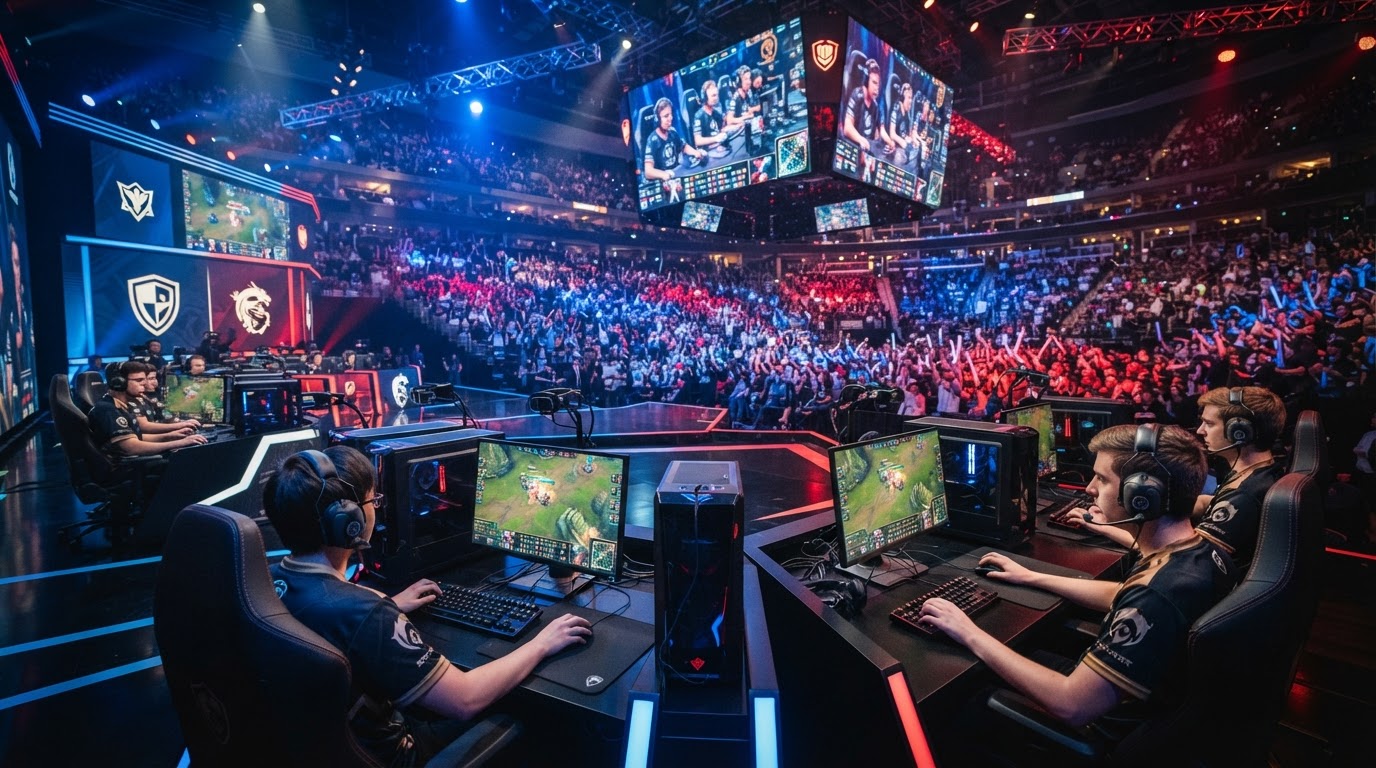
Discover what truly separates casual gaming from professional esports tournaments, and learn how to get involved in competitive gaming with practical tips for beginners.
Look, I get it. You've heard the terms esports and competitive gaming thrown around, but you might still be wondering what really sets a casual match apart from a full-blown esports tournament. Honestly? It's less about the game itself and more about the structure, the stakes, and the sheer dedication involved. Competitive gaming has come a long way from basement LAN parties to sold-out arenas, and esports tournaments are the backbone of that transformation. Let's break it down in a way that actually makes sense.
### What Makes Esports Different From Just Playing Games
Here's the thing: everyone plays games, but not everyone competes. Esports is about organized, skill-based competition where players train like athletes, study strategies like chess grandmasters, and perform under pressure that would make most people sweat through their shirts. The difference comes down to infrastructure. Leagues, rankings, prize pools, and a community that treats every match like a mini-event define the scene.
Esports tournaments aren't just random weekend gatherings. They're meticulously planned events with brackets, qualifiers, and often a live audience both in person and streaming online. The biggest ones, like The International for Dota 2 or the League of Legends World Championship, pull in millions of viewers. That's more than some traditional sports finals. So when someone says "it's just a game," they're missing the point entirely. It's a sport, just played on a different field.
### The Ecosystem of Competitive Gaming
Competitive gaming doesn't happen in a vacuum. There's a whole ecosystem supporting it: teams, coaches, analysts, broadcasters, and of course, the players themselves. Most pro players start young, grinding ranked ladders for hours each day. It's not uncommon to hear stories of teenagers dropping out of school to pursue a career in esports. Risky? Absolutely. But for those who make it, the payoff can be life-changing.
Esports tournaments serve as the proving grounds. They range from small online cups with a few hundred dollars on the line to massive LAN events with seven-figure prize pools. The atmosphere at a LAN event is something else: the hum of PCs, the roar of the crowd, the tension in the air. It's electric. Games like Counter-Strike, Valorant, Fortnite, and Street Fighter each have their own dedicated scenes. You don't have to be a pro to enjoy it either. Many tournaments offer amateur brackets, so you can dip your toes in without going full tryhard.
### How to Get Involved in Esports Tournaments
So you want in. Good. The first step is picking your game something you genuinely enjoy, because you'll be playing it a lot. Then, find the competitive scene. Most popular games have built-in ranked modes, but the real action happens on third-party platforms and tournament organizers. Websites like Battlefy, Challengermode, and ESL Play list hundreds of tournaments weekly. Some are free to enter, others have a small fee.
Start with open qualifiers. They're exactly what they sound like: anyone can join. You'll probably get crushed your first few times. That's fine. It's part of the process. Watch your replays, learn from better players, and build a network of teammates. Don't underestimate the value of a good squad. Solo queue is a grind, but team play is where competitive gaming really shines. Communication, trust, and shared goals make the difference between a good team and a great one.
### Practical Tips for New Competitors
- **Start small:** Join local tournaments or online leagues to get a feel for the pressure without the world watching.
- **Practice deliberately:** Focus on specific skills during practice sessions rather than just playing mindlessly.
- **Stay healthy:** Sleep, exercise, and proper nutrition matter just as much as in traditional sports.
- **Build a network:** Find teammates who share your goals and communicate well.
- **Learn from losses:** Every defeat is an opportunity to improve. Review your replays and identify weaknesses.
The best advice I can give is to treat competitive gaming like any other sport. Practice deliberately, stay healthy, and find a community that supports your growth. The journey from casual player to tournament competitor is challenging but rewarding. You don't need to be the next world champion to enjoy the thrill of competition. Just take that first step, and see where it leads.