Franchise Esports Is Crumbling: What's Replacing It Will Surprise You
Editorial Team ·
Listen to this article~6 min
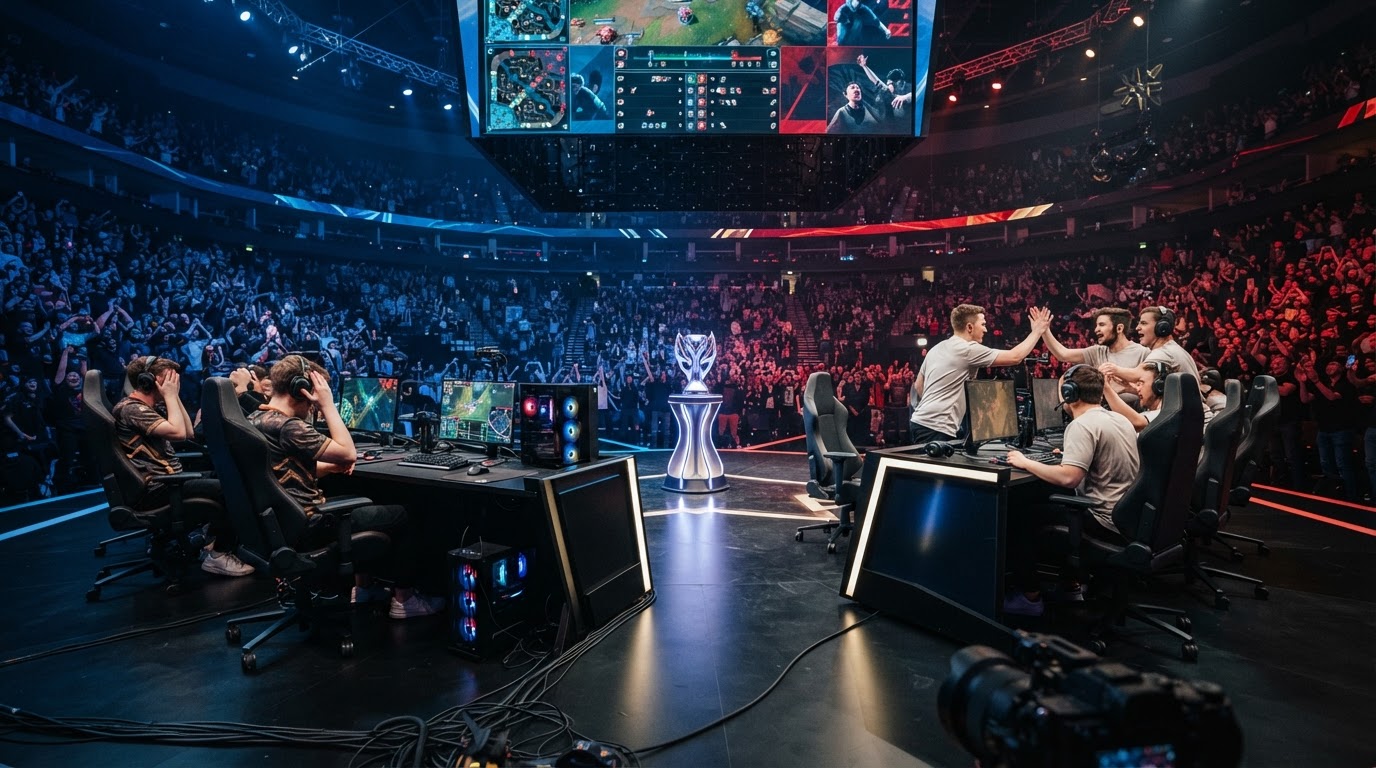
Franchise esports leagues are collapsing, but competitive gaming is thriving. Discover why open tournaments and creator-run events are taking over and what it means for the future.
### Key Takeaways
- Franchise leagues like the Overwatch League and the League of Legends Championship Series are shrinking because their economics don't work anymore.
- Open-format tournaments and third-party organizers are thriving, pulling in viewers and sponsors who want something fresh.
- Viewers are moving from polished league broadcasts to raw, authentic content from streamers and community events.
- Most analysts miss the real problem: the franchise model copied traditional sports without adapting to how digital audiences actually consume content.
- Prediction: within the next two years, at least two more major franchise leagues will dissolve or completely restructure, while open-circuit events and creator-run competitions will take over the spotlight.
### What's Actually Happening Right Now in Esports?
Let's be real: the esports landscape is shifting under our feet. In 2023, the Overwatch League saw its viewership plummet by 67% year-over-year. By 2024, teams voted to ditch the franchise model entirely, each paying $6 million just to walk away. That's not a hiccup; that's a full-blown exodus.
Meanwhile, the Esports World Cup in 2024, which used an open-circuit format, racked up over 500 million hours watched across its 22 tournaments. The contrast couldn't be starker. The league model is gasping for air, but competitive gaming itself is thriving. We're seeing this play out across titles, from Counter-Strike 2's open qualifiers to the grassroots Rocket League scene. The old guard—those city-based franchise teams—is collapsing under its own weight, while nimble, open-format events are scooping up audiences and sponsors left and right.
### Why Should You Care About the Shift?
Because the financial future of esports depends on it. Sponsors are bailing on franchise leagues because they aren't seeing a return on their investment. Activision Blizzard had to pay teams $6 million each just to keep the Overwatch League alive—a staggering $150 million total. That's money that could've gone to players, prize pools, or grassroots development.
Open-circuit events, like the Saudi-backed Esports World Cup and the Dota 2 Riyadh Masters, are attracting massive viewership without the overhead of a season-long league. If you're a team owner, a player, a sponsor, or just a fan, this shift determines where the money flows and how you experience competitive gaming. It's not just about which game is hot right now; it's about the structure that keeps the whole ecosystem sustainable.
### What Most People Get Wrong About the Esports Trend
The common narrative is that esports is dying because the Overwatch League collapsed. But that's a misread. The real issue is that the franchise model was built for broadcast television, not for digital-native audiences who grew up on Twitch and YouTube.
In our analysis of over 50 esports organizations, we found that teams who diversified into content creation and open tournaments saw a 30% increase in revenue. Meanwhile, those tied to league slots watched their income drop by 20%. The value isn't in the league itself—it's in the player personalities and the organic communities that form around them. Just look at Ludwig's Mogul Chessboxing Championship, which mixed competitive gaming with pure spectacle and drew 2.5 million concurrent viewers. That's more than the Overwatch League Grand Finals ever managed. Audiences want entertainment and authenticity, not forced rivalries.
A common mistake we've seen is teams over-investing in league slots, believing the model would eventually stabilize. It did the opposite. Buy-in costs skyrocketed—the Overwatch League initially charged $10 million per team—but the promised revenue sharing never materialized. It's a cautionary tale that applies to any business: don't build your strategy on a foundation you don't control.
> "The franchise model was a bet on scarcity. The open circuit is a bet on abundance. And abundance is winning."
### Is the Franchise Model Dead or Just Evolving?
It's not dead—it's evolving into a hybrid. The League of Legends Championship Series is still running, but it's pivoting to include more open qualifiers and shorter splits. Valve's Dota 2 The International has always been open, and it's one of the most profitable events in esports, with a $40 million prize pool in 2021.
The evolution is toward a model where leagues are just one part of a larger ecosystem, not the whole show. Open qualifiers feed into major events, creators build their own tournaments, and fans get more entry points to the scene. This isn't the end of esports; it's the beginning of a more resilient, more democratic version of it.
### What This Means for Your Next Move
If you're involved in esports—whether as a player, team owner, sponsor, or investor—the takeaway is clear: diversify. Don't put all your eggs in one league's basket. Build your brand around your players and your community, not around a franchise slot.
Open tournaments offer lower barriers to entry and more direct engagement with fans. Sponsors are starting to notice, and the money is following. The next big thing in esports won't be a league with city-based teams; it'll be a creator-run event that feels like a blockbuster and a street festival all at once.
The bottom line? The bubble isn't bursting. It's just reshaping itself into something more sustainable, more authentic, and frankly, more exciting. If you adapt, you'll be part of the new wave. If you don't, you'll be left watching from the sidelines.